






















Citizenship Amendment Act 2019 (CAA): What is it and why is it being opposed?
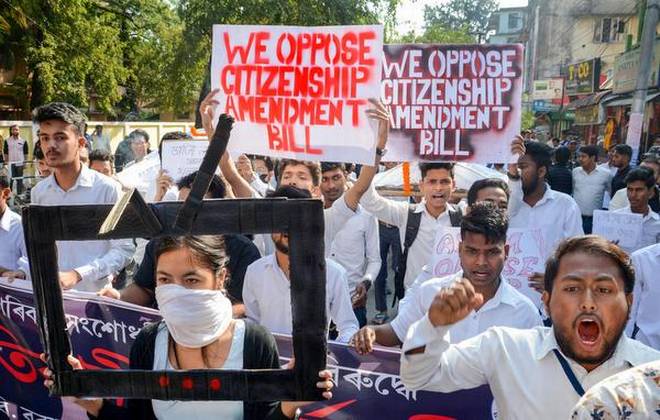
The Citizenship Amendment Act is the hot issue of India these days with wide spread protests both physically and technologically through social media, across India.
So, what really is this Citizenship Amendment act 2019?
CAA 2019 amended the 1955 act, giving a new definition to determine the illegal immigrants for Hindu, Sikh, Parsi, Buddhist and Christian immigrants from Pakistan, Afghanistan and Bangladesh who have been living in India without any documentation. The new amendment provides Indian citizenship those the so mentioned categories in a fast track period of six years, from the 12-year period as per the previous act.
Fire of opposition (to CAA) is spreading throughout India. It started from Assam, spread to Delhi and then to various parts of the country. The Supreme Court, after hearing the first petition challenging the CAA, has declined to stay the law, and also asked the Centre to reply to the petitions, saying “it violates the Constitution”. Petitioners mention that the bill discriminates the Muslim community. It tried to establish the Muslim community as 2nd class citizens, giving extra preferences to other communities. This violates constitutions Article 14, the basic fundamental right to equality.
The Legislation aims to protect the people who were forced or compelled to seek shelter in India due to persecution on the ground of religion, from the proceedings of illegal migration. December 31st, 2014, has been marked as the current cut off for citizenship, which means the applicant should have entered India, on or before the mentioned date. Currently the bill gives Citizenship to people who are born in India and have resided at least 6 years in the Country.
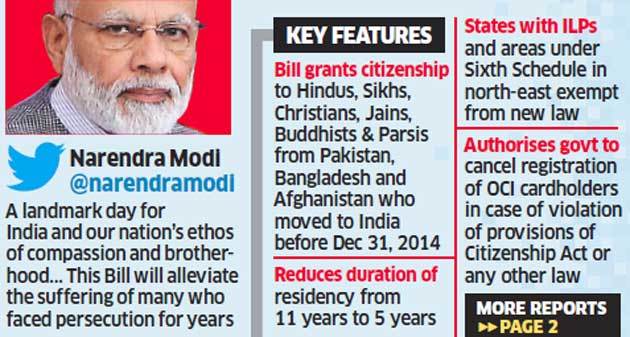
The basic logic of the Centre as how they explain it, is to protect the minorities who comes escaping persecution from Muslim- majority countries. Even when this explains a lot much about the intention and law, there still remains questions as about the Ahmaddiya Muslim community and even Shias face discrimination in Pakistan. Rohingya Muslims and Hindus face persecution in neighbouring Burma, and Hindu and Christian Tamils in neighbouring Sri Lanka. To the many pointing questions, Government has responded with “Muslims can seek refuge in Islamic nations” and that “we are taking things step by step”, nothing more. Many say or believe that CAB is the idea of partition, like how India and Pakistan were divided at Independence as Hindu and Muslim nations. Amit Shah on the same responds with “Bill would not have been necessary if the Congress did not agree to partition on the basis of religion”. Bill doesn’t apply to many North Eastern parts of India under the sixth schedule of the Constitution-like the tribal dominated places in Assam, Meghalaya, Mizoram and Tripura- and also the states that have the inner-line permit regime.