






















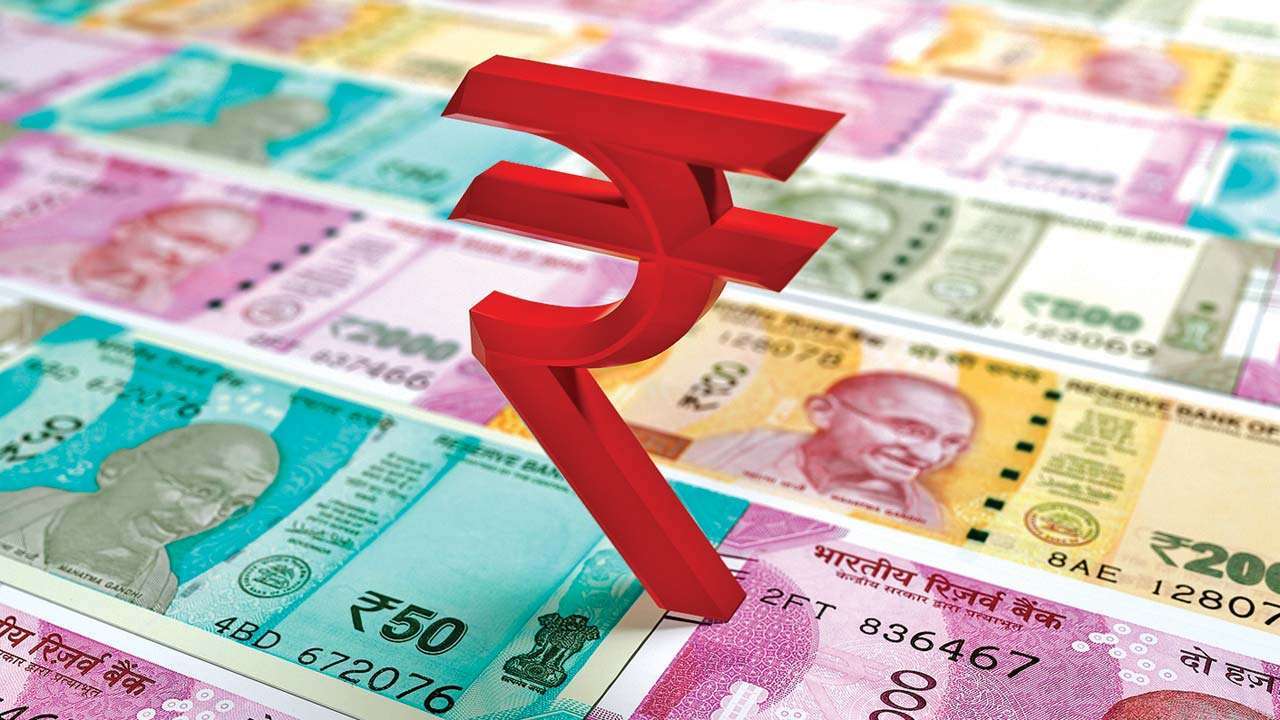
The title for Asia’s worst performing currency has now fallen upon Indian Rupee this month, as its local unit has descended 3.49 percent against U.S dollars so far. In the last 10 years’ time, this is the second- worst monthly loss faced by India (first being the loss on September 2013). Now, the Indian Rupee stands at a value of Rs.70-71/dollar {71.4 as per Tuesday (13th August)}. Signs show that, further depreciation in the value of Indian Rupee will lead to a more panic situation, and in turn to the withdrawal of further foreign investments.
The main reason being pointed out for this slump, is the China’s Yuan currency volatility. Other factors being the additional duties charged on china by U.S, descend in bond price & Argentinian peso and the huge foreign money outflow during the last nine months have exerted a great amount of pressure on Indian Rupee.
Chinese Yuan has also been under pressure for like a week, and almost dropped 2.4% when Trump exerted additional tariffs on its exports. Meanwhile, Argentinian Peso has also faced a drop of near to 2.5% to 60/dollar and fell in a crisis as investors mass dumped all the investments including stocks, bonds etc. Investors always invest/ park their investment in stable spots like US dollars and this in turn again makes a negative impact on the currencies with high dollar denominated debt,.
What about the future of Indian Rupee?
As per Bhaskara Panda, the regional head of treasury advisory at HDFC Bank ltd. 72.12/dollar is seen by him as the next technical stop point/ range, “if that crosses too, it could go all the way up to 74/dollar” he adds. Harihar Krishnamoorthy, treasurer and head of global markets at FirstRand Bank, points out that the slump in value of Indian Rupee and the China’s Yuan has a one to one relation. He also says that if China and U.S makes an agreement/settlement by the end of this year, then, Rupee will make a settle around 70/dollar, or at 72/dollar if not. He also openly shares he expects Reserve banks of India’s Monetary policy committee to bring down the rate in the next bi-monthly policy to between 15-40 basis points.
Edited by : The World Women News Team